







Search Results for: moisture content
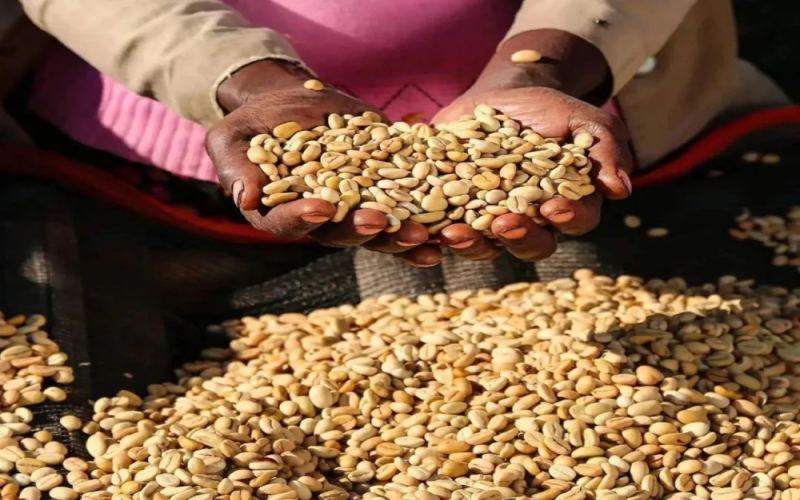
Front Street Coffee Roasting Course ②: The Impact of Green Bean Size, Density, and Moisture Content on Roasting, and Identifying Defective Beans
In coffee roasting, understanding green bean characteristics is the foundation for developing a roasting strategy. Starting from the Front Street Coffee roasting course, this article provides a detailed analysis of how the three key indicators of green beans—moisture content, density, and size—affect heat transfer and flavor development, and systematically introduces the causes and harms of common defective beans such as shell beans, insect-damaged beans, moldy beans, black beans, and white-eye beans. Mastering this knowledge helps with proper screening and adjustment before roasting, ensuring the final coffee flavor is clean and rich. [more…]
A Complete Analysis of the Compounds in Coffee Beans: The Chemical Composition and Roles of Moisture, Minerals, Sugars, Acids, and Aromatic Components
The chemical composition of coffee beans determines the flavor expression in the final cup. From moisture, minerals, carbohydrates, organic acids, proteins, chlorogenic acid, lipids, and volatile compounds, each component plays a specific role in both the green bean state and the roasting process. Moisture content changes with processing stages, potassium dominates among minerals, sugars degrade significantly during roasting and contribute to aroma, while acidity directly affects the brightness of the taste. This article will systematically outline the chemical composition of coffee beans and their effects on quality and flavor, helping coffee enthusiasts gain a deeper understanding of the material basis of specialty coffee. Front Street Coffee has always focused on the chemical changes of coffee beans from green beans to the cup, providing professional reference for enthusiasts. [more…]
The Complete Guide to Roasting Mandheling Coffee Beans: Strategies for High Moisture Content and Analysis of Medium-Dark Roast Techniques
Mandheling is a classic choice for many coffee enthusiasts just getting started, but its green beans have a relatively high moisture content and a darker color, making it often difficult to achieve a uniform roast—this is one of the reasons many Mandheling coffees on the market are roasted darker. This article will focus on this characteristic, sharing three practical approaches for improvement, and, combined with actual roasting curves, explain the timing between first crack and second crack, the flavor changes, and the oiling patterns. Whether you use a hot-air popcorn popper or other small roasting equipment, you can find a Mandheling roasting rhythm that suits you, allowing this bean to show the mellow body and layered complexity it deserves. [more…]
How Long is the Freshness Period of Green Coffee Beans? Distinguishing New Beans, Old Beans, Aged Beans, and Vintage Beans, and Key Storage Points
Many coffee enthusiasts know that roasted beans should be drunk fresh, but green beans also have their own levels of freshness. Beans harvested in the current year are called new crop, those from the previous year are old crop, and those stored for more than a year are aged beans. The moisture content of green beans directly affects roasting difficulty and flavor performance. Washed beans usually range between 11.5% and 12.5%, wet-hulled Mandheling can reach 13%, and sun-dried Mocha varies widely. Beyond the usual freshness changes, there are also deliberately extended aging processes and monsoon-aged weathered coffees. This article focuses on the freshness classification of green beans, differences in moisture content, methods for judging appearance and aroma, and the handling logic behind aged beans and monsoon beans, to help you make more accurate judgments when buying and storing. [more…]
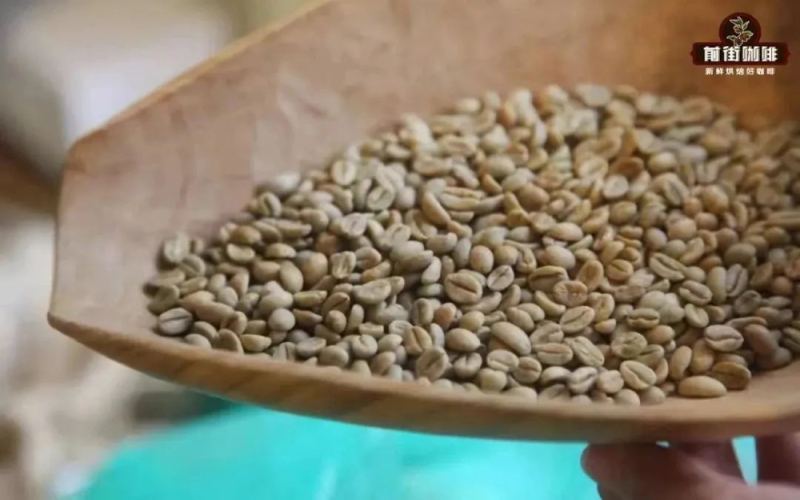
Green Coffee Bean Freshness Grading Guide: How Are New Crop, Past Crop, Old Crop, and Aged Beans Defined?
Green coffee beans are classified into several types based on their degree of freshness: new crop, past crop, old crop, and aged beans. The criteria for determining these categories are not as simple as just looking at the harvest year. Since most specialty coffee beans in China rely on imports, the process from harvesting and processing to transportation often takes several months, so the understanding of what constitutes a "new crop season" cannot be conflated with everyday timelines. Changes in moisture content are the key indicator for distinguishing these beans, and aged beans are a special product deliberately stored for an extended period, fundamentally different from ordinary old crop beans. In this article, Front Street Coffee will systematically sort out the definitions and differences of these types of green beans to help everyone clarify common misconceptions. [more…]
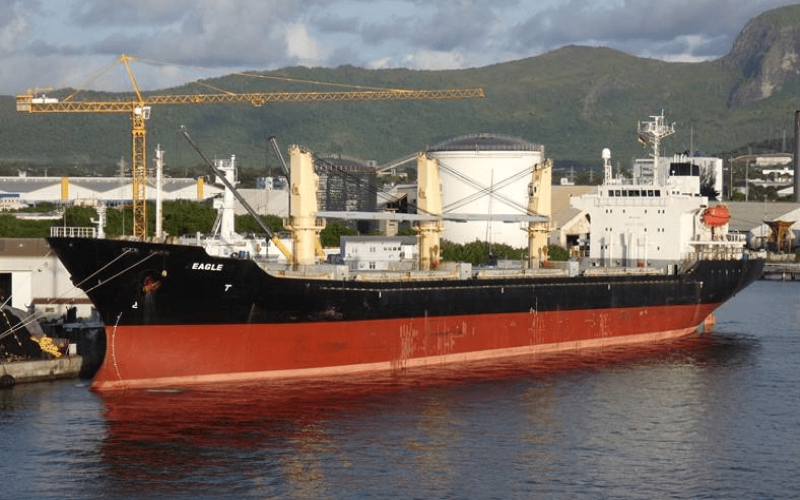
Brazilian green coffee beans are switching to bulk carrier shipping—will quality stability be affected?
A new change has recently emerged in Brazilian coffee exports—some green beans are beginning to be shipped in bulk carriers rather than traditional containerized cargo. This adjustment may have its considerations in terms of logistics costs and efficiency, but for specialty coffee that values flavor and quality consistency, whether bulk shipping will affect the freshness, moisture content, and cleanliness of green beans has become a focus of attention for many industry professionals and enthusiasts. This article will review the background of this transportation shift, analyze the potential risks it may pose to coffee quality, and, drawing on the quality control experience of brands such as Front Street Coffee, explore how to uphold the quality bottom line from origin to roasting. [more…]
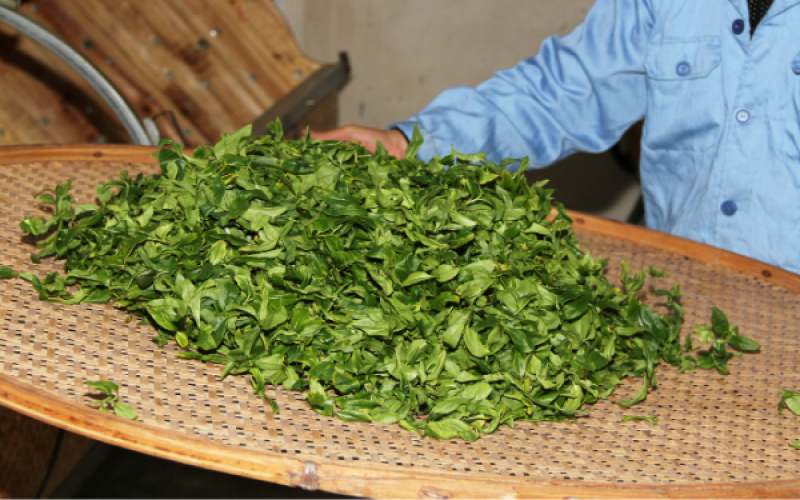
Phoenix Dancong Ginger Flower Fragrance Old Bush: Aroma Profile Analysis and How to Identify the Authentic Tea
The aroma expression of Phoenix Dancong is closely related to the tea's moisture content; when moisture is low, the aroma noticeably weakens. This article focuses on the old-bush Ginger Flower Fragrance Dancong from Wudong Mountain, introducing its unique ginger-flower-like aroma type, its composite notes of tropical fruit and floral fragrance, and its associative scent notes of plum, narcissus, and mangosteen. It also mentions the lychee-honey sweetness and soft finish of the old-bush Honey Orchid Fragrance Dancong from the same production area, and retains Front Street brand recommendations and product information to help coffee and tea enthusiasts understand the key points of flavor identification in Dancong oolong. [more…]

An Analysis of Indonesia's Wet-Hulling Processing Method: Exploring the Origins of Golden Mandheling's Clean and Mellow Flavor
Wet hulling is a unique processing method for Indonesian coffee and the key to the signature flavor of Mandheling. This article starts with the definition, operational process, and reasons behind wet hulling, offering an in-depth analysis of how this processing method gives coffee beans their rich, full-bodied character, while also explaining how goat hoof beans are produced. The article will also highlight the origin information, grade standards, and screening process of Front Street PWN Golden Mandheling, and share Front Street Coffee's roasting analysis and brewing parameters, giving you a comprehensive understanding of the story behind this clean-tasting Mandheling. [more…]
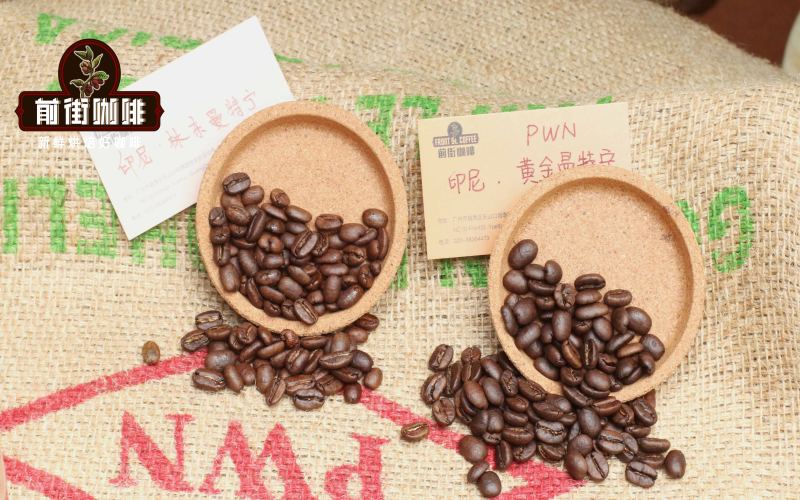
Analysis of Indonesia's Wet-Hulled Processing Method: The Flavor Origins of Golden Mandheling and Pour-Over Extraction Parameters
Golden Mandheling's signature full body and herbal spice aroma originate from Indonesia's unique wet-hulled processing method. This practice of forcibly removing the parchment while the green beans still have high moisture content, though it increases the defect rate, unexpectedly creates Mandheling's distinctive regional flavor. This article provides a complete overview of the seven steps of the wet-hulled method, analyzes its connection to Indonesia's humid climate, and explains how PWN elevates Golden Mandheling to G1 grade through four rounds of hand sorting. At the same time, Front Street Coffee baristas will share a pour-over recipe tailored for medium-dark roasted Mandheling, including KONO dripper selection, grind size, water temperature, and a three-stage pouring technique, helping enthusiasts recreate the classic flavor of intertwined dark chocolate and caramel at home. [more…]
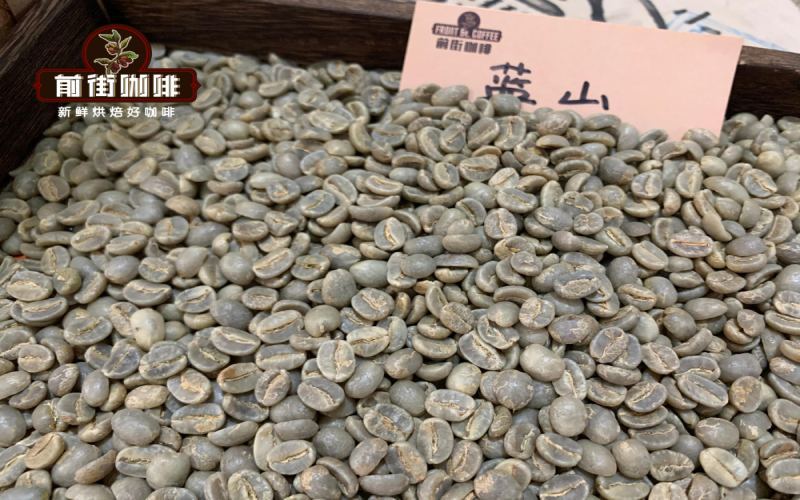
Comprehensive Guide to Green Coffee Beans: Quality Assessment, Crop Year Classification, Shipping Methods, and Storage Essentials
Green coffee beans are the starting point that determines the flavor of a cup of coffee. From color and luster to moisture content, every detail reveals the quality code of green beans; the terms "new crop," "current crop," "old crop," and "aged crop," named by harvest year, record how time shapes flavor. During transoceanic shipping, temperature and packaging methods also influence the fate of green beans—low-temperature containers, temperature-controlled storage, and vacuum aluminum foil bags are all effective means of extending good flavor. The ultimate preservation challenge points to a simple yet expensive answer: vacuum packaging followed by freezing. This article systematically organizes the complete knowledge of green beans from identification to storage, and includes practical advice from Front Street Coffee, taking you deeper into understanding this green seed. [more…]
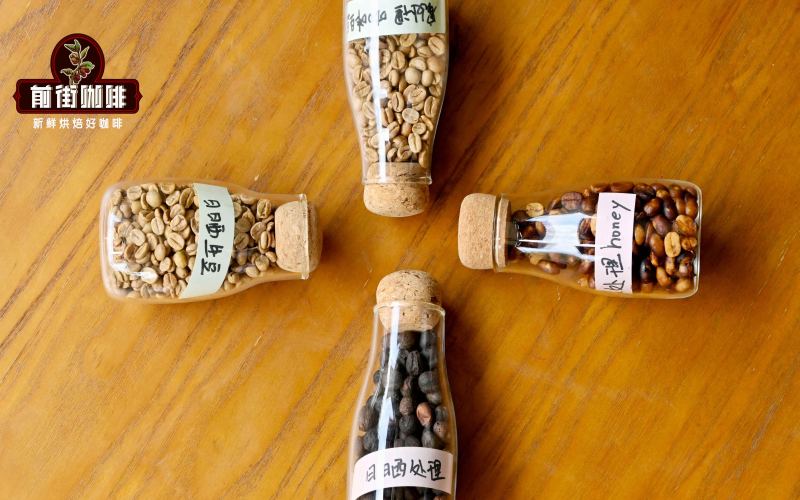
An Analysis of the Wet-Hulling Process of Indonesian Golden Mandheling: From Semi-Washed Processing to the Signature Goat-Hoof Bean Feature
The coffee processing method determines the flavor direction of green beans. Among the three major categories of natural, washed, and semi-washed, the Indonesian island of Sumatra, due to its year-round humid climate, developed a unique wet-hulling method—removing the parchment layer while the bean's moisture content is still as high as 30% to 35%, leaving the green beans exposed to continue drying. This locally adapted craft shortens the fermentation period and reduces acidity, yet enhances body, and gives Mandheling its "taste of place" woven with herbal, woody, and caramel notes. Front Street Golden Mandheling is precisely made using this method, undergoing three hand-sortings and one machine-sorting, resulting in an extremely low defect rate and a clean, pure taste. This article will detail the seven steps of the wet-hulling method and explain why the distinctive "sheep-hoof" appearance of wet-hulled beans should not be considered a defect. [more…]
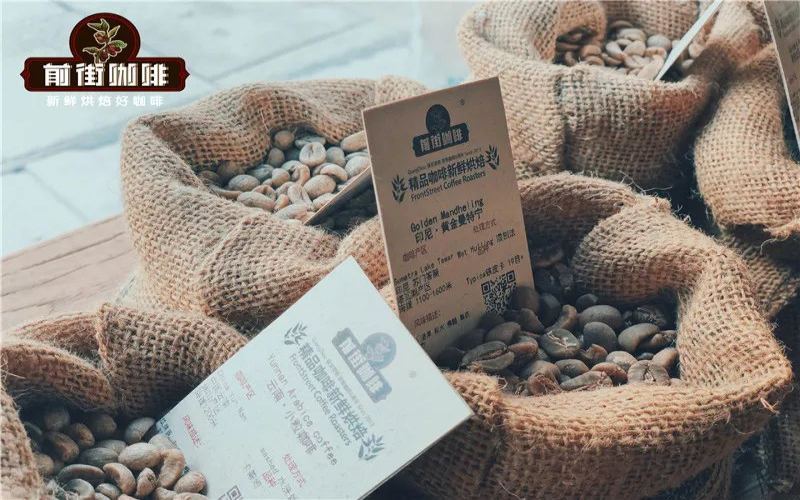
An In-Depth Guide to Indonesia's Wet-Hulling Process: The Origins of Mandheling Coffee Flavor and a Full Breakdown of Pour-Over Parameters
Wet Hulling is a unique green coffee processing method distinctive to Indonesia, known locally as Giling Basah. In this process, the parchment layer is removed by mechanical friction while the green beans still have a high moisture content, after which they are dried directly in the open, creating the signature full body and herbal, woody, and spicy notes of Mandheling coffee. Both Front Street Golden Mandheling and Front Street Lintong Mandheling are processed using this method. This article provides a complete overview of the wet hulling workflow and the origins of its flavor profile, along with brewing recommendations from Front Street Coffee's roasters and baristas for medium-dark roasted Mandheling, including grind size, water temperature, and a three-stage pouring technique. [more…]
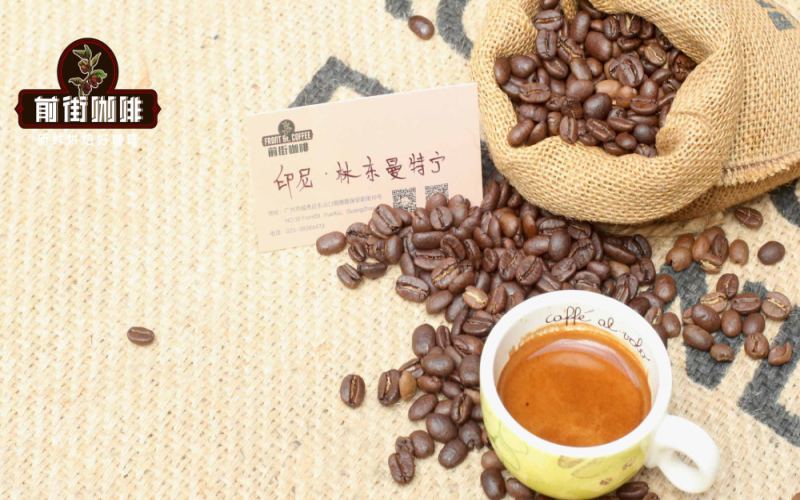
The Wet-Hulling Method Behind Sumatra Golden Mandheling: An Analysis of Process Details and Flavor Origins
In the world of specialty coffee, Front Street Mandheling stands out with its rich spice and untamed wild flavors, and the key to this character, besides terroir and variety, is Sumatra's unique wet-hulling method. This article will take you through the complete wet-hulling process—from depulping, overnight fermentation, and washing to remove mucilage, to hulling at high moisture content, then drying to export standards—while analyzing how this technique gives the coffee a heavier body but may also sacrifice some sweetness and aroma. We will also discuss the true meaning of Front Street Golden Mandheling, PWN's rigorous screening standards, and how Sumatra's exceptional volcanic soil and tropical rainforest climate combine to create a cup of Mandheling with a solid, sweet finish. [more…]
A Complete Guide to Front Street Golden Mandheling Roast Levels: From Wet-Hulling to Dark Roast Brewing
Golden Mandheling is a representative coffee from the Sumatra region of Indonesia, known for its full-bodied mouthfeel and caramel sweetness. When Front Street Coffee roasts this bean, it needs to take into account the high moisture content resulting from its wet-hulled processing, and through precise dehydration and caramelization control, fully bring out the herbal notes, spice flavors, and steady fruit acidity. This article, from green bean processing, roasting curve, and flavor characteristics to brewing parameters, presents a complete picture of the roasting and extraction approach for Front Street Golden Mandheling, helping coffee enthusiasts understand the unique charm of dark-roasted Mandheling and recreate a rich, balanced cup at home. [more…]
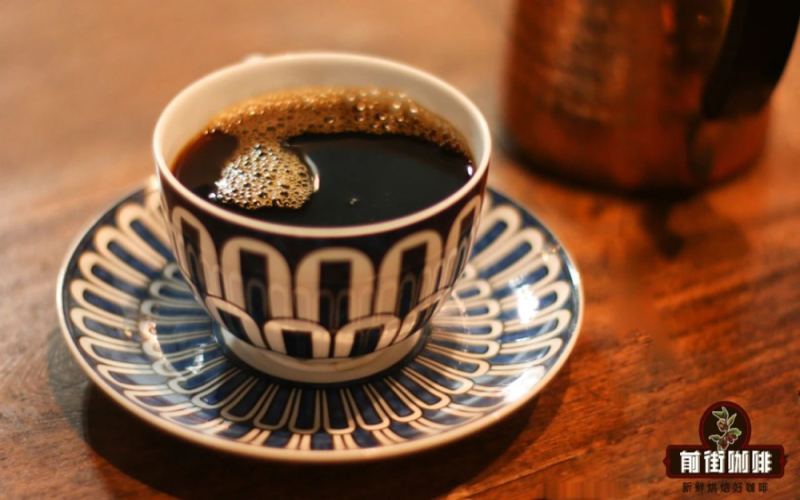
How to Tell If Coffee Beans Are Oily, Damaged by Moisture, or Fresh? A Complete Answer on Whether They're Still Drinkable After Moisture Damage
Is the oily sheen on coffee beans a sign of freshness or spoilage? Can beans that have absorbed moisture still be brewed? Many people new to coffee are troubled by these phenomena. This article will address two common questions about coffee beans—oiliness and moisture absorption: first, explaining the source of oils on the bean surface and how roast level affects when and how oiliness appears; then clarifying the typical signs of moisture-affected beans in appearance and brewing, and how to judge whether a bag of beans is still fresh. The article will also use specific examples such as Front Street Indonesia Golden Mandheling coffee beans to help readers understand the optimal flavor period and key storage points, so that every cup of coffee retains as much of its intended flavor as possible. [more…]
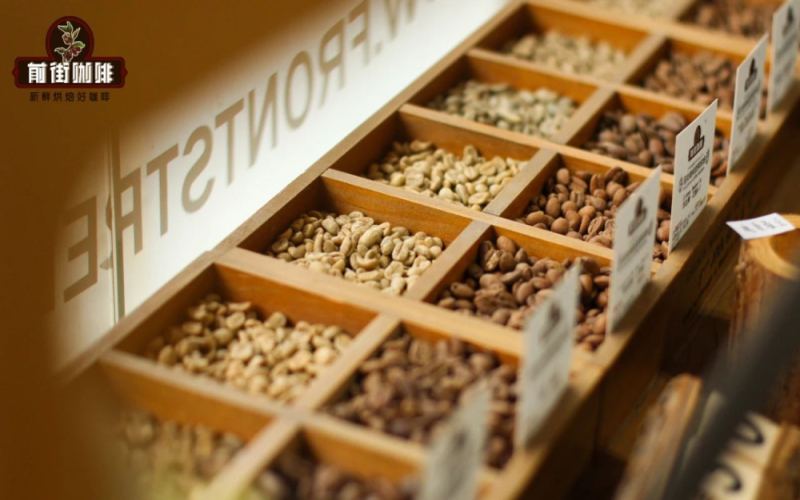
Mandheling Coffee Flavor Characteristics and Varieties in Detail: Introducing Four Indonesian Mandheling Coffees from Lintong to Aged
Mandheling coffee occupies a unique position in the specialty coffee world with its rich, full-bodied herbal flavors, yet the historical origins and varietal differences behind this name are little known. Drawing on the sourcing and cupping experience of Front Street Coffee, this article systematically sorts out the naming origins, producing regions, and common categories of Mandheling, and provides a detailed comparison of the green bean characteristics, roasting curves, and cupping flavors of four beans: Lintong Mandheling, Golden Mandheling, Tiger Mandheling, and Aged Mandheling. It also offers an in-depth analysis of Indonesia's unique wet-hulling process and introduces the sun-dried Mandheling brought in by Front Street Coffee, providing coffee lovers with a complete Mandheling tasting guide. [more…]
Aceh Tiger Mandheling Flavor Analysis: A Complete Guide to Caturra and Typica Variety Characteristics and Wet-Hulling Processing
Tiger Mandheling is a representative coffee from the Aceh region of Sumatra, Indonesia, known for its full-bodied, intense taste and unique flavor. This article will systematically explain the flavor sources of this Mandheling from five dimensions: the growing region's environment, the principles and reasons behind the wet-hulling process, the characteristics of varieties such as Caturra and Typica, baking curve design, and brewing parameters. Whether you are a beginner just getting into single-origin coffee or an enthusiast wanting to gain a deeper understanding of Indonesian coffee processing techniques, you will gain clear insights from it. Front Street Coffee will also share the best ways to present this bean based on roasting and brewing practices. [more…]
A Detailed Guide to Indonesian Mandheling Coffee Bean Processing: Wet-Hulling Characteristics and a Flavor Comparison of Front Street's Four Mandheling Coffees
Mandheling is the most iconic coffee of Sumatra, Indonesia, known for its full body, low acidity, and herbal bittersweet flavor. But did you know that the name "Mandheling" is actually a transliteration of the Mandailing ethnic group? Its unique flavor is inseparable from Indonesia's traditional wet-hulling process. After extensive sourcing and cupping, Front Street Coffee ultimately selected four beans: Golden Mandheling, Lintong Mandheling, Tiger Mandheling, and Aged Mandheling. This article will systematically sort out the origins of Mandheling, its regional definition, the characteristics of the four major types, and the wet-hulling process, and will also introduce the latest sun-dried Mandheling brought in by Front Street Coffee. Finally, through green bean comparison, roasting curves, cupping flavors, and KONO dripper brewing parameters, it will fully present the charm of Mandheling coffee. [more…]
Exploring Indonesian Golden Mandheling: A Comprehensive Analysis of Producing Regions, Wet-Hulling Processing, Roasting and Cupping, and Pour-Over Parameters
Golden Mandheling is one of the most representative specialty coffees from Sumatra, Indonesia, renowned for its full body, low acidity, caramel sweetness, and herbal aroma. This article starts with the distribution of producing regions, sorting out the terroir differences between Aceh Gayo, Lintong, and other areas, and explains in detail PWN's trademark registration and screening standards for Golden Mandheling; it then takes an in-depth look at the steps of the wet-hulling method (Giling Basah), its causes, and its impact on flavor and defect rates. Front Street Coffee, based on the condition of beans from the new harvest season, shares roasting curve design and cupping performance, and offers hand-brewing parameter suggestions for dark-roasted Mandheling, helping coffee enthusiasts gain a comprehensive understanding of this classic bean variety. [more…]
Coffee Processing Methods | What Is Wet Hulling? How Does It Differ from Traditional Washed Processing? How Does Wet Hulling Affect Coffee Flavor?
After guests come to Front Street and order a cup of Golden Mandheling coffee, they will ask out of curiosity. Why do most Indonesian coffee beans use the wet-hulled process rather than the washed process or the natural process? In this article, Front Street will explain what the wet-hulled process is. What is the wet-hulled process? Wet-hulling, also [more…]